
Kenyan businesses no longer get away with spreadsheets and shoeboxes full of receipts, and that shift is exactly why the common account audit software used in Kenya has changed so much in just a few years. KRA compliance, VAT reporting, and basic financial sanity all depend on picking the right tool, and that’s exactly why we broke down the common account audit software used in Kenya today.
Before you commit to one platform, it also helps to sort out your Best Proposal Software for Accountants and read a few honest Puzzle.io Reviews if AI-driven bookkeeping interests you. This guide compares six leading platforms, plus the audit-specific tools professionals rely on, so you can pick with confidence.
Why Kenyan Businesses Need Reliable Accounting Software
Running a business in Kenya without proper financial tools is a recipe for fines, missed VAT deadlines, and messy books nobody wants to untangle at year-end. That’s precisely why common account audit software used in Kenya has become standard practice rather than a nice-to-have. The Kenya Revenue Authority reported that 30% of small businesses faced fines in 2022 due to VAT submission errors alone, and that number keeps pushing more owners toward digital tools.
Digital accounting adoption in Kenya is growing at roughly 15% annually according to Statista, driven by better internet access and mobile technology. Whether you’re comparing Sage Accounting vs QuickBooks for your bookkeeping needs or researching Accounting Software Implementation Best Practices before a migration, the common account audit software used in Kenya today spans everything from free tools for freelancers to enterprise ERP systems for large corporations, and knowing where each option sits on that spectrum saves you from a costly mismatch.
This guide exists because so many business owners search the same handful of questions every year: which common account audit software used in Kenya actually fits a small business budget, which one satisfies KRA and ICPAK expectations, and which one scales without forcing a painful platform switch two years down the line. We’ll answer all three before you finish reading.
What Counts as Accounting Softwares in Kenya?
Accounting softwares in Kenya generally fall into a few categories: simple invoicing tools for freelancers, mid-tier cloud platforms for growing SMEs, and enterprise systems for large corporations with complex, multi-entity reporting needs, and the common account audit software used in Kenya list below covers all three. The common account audit software used in Kenya spans all three tiers, and picking the right one depends heavily on your business size, budget, and compliance requirements.
For businesses that also manage physical stock alongside their books, it’s worth pairing your accounting choice with proper Inventory and Accounting Software for Small Business recommendations rather than trying to force a service-based tool into a retail workflow. The right accounting softwares in Kenya category for you depends entirely on what your business actually does day to day.
Sage Accounting Software Kenya: A Closer Look at Local Adoption
Sage accounting software Kenya operations have grown steadily over the past decade, largely because the platform was built with local VAT rules in mind rather than retrofitted for them later. Accountants across Nairobi, Mombasa, and Kisumu consistently mention Sage accounting software Kenya as one of the few platforms that genuinely keeps pace with KRA filing changes without requiring a manual workaround every time a rule shifts.
Part of the reason Sage accounting software Kenya has such a strong professional reputation comes down to its audit trail. Every transaction gets logged in a way that satisfies both internal reviewers and external auditors, which matters enormously once your business grows past the size where informal bookkeeping cuts it. We’ll cover Sage in full detail in the software reviews below.
Top Common Account Audit Software Used in Kenya
Here’s a closer look at the common account audit software used in Kenya that professionals and business owners rely on most, based on adoption, feature depth, and how well each integrates with local compliance requirements.
1. Sage Accounting
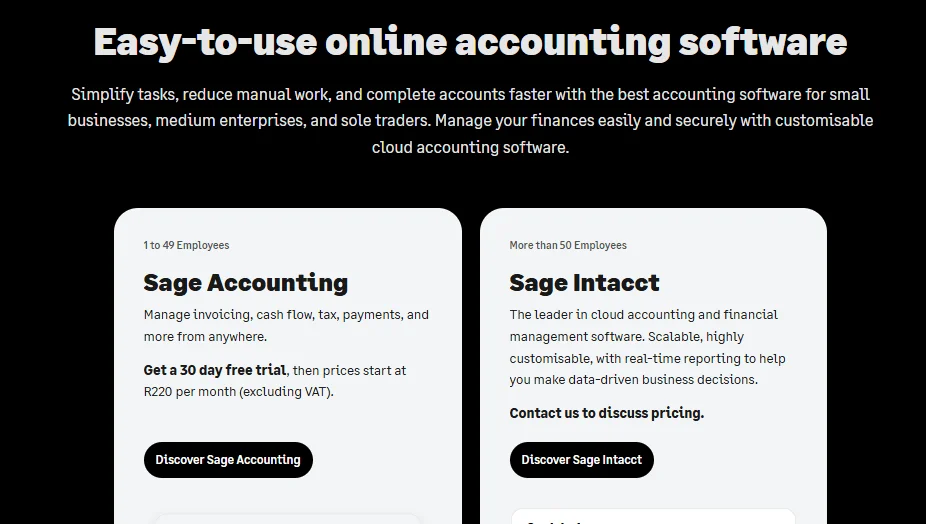
Let’s get started with Sage Accounting, previously known as Sage Pastel. Sage is one of the most trusted names among common account audit software used in Kenya, widely used by professional accountants and medium-sized companies who need detailed reporting and a strong audit trail. Sage kenya operations specifically emphasize VAT compliance, which matters enormously given how often small businesses get penalized for filing errors.
As a leading example of common account audit software used in Kenya, Sage Business Cloud Accounting offers invoicing and quotes, cash flow management, automatic VAT calculation with KRA-aligned filing support, and a mobile app for managing accounts on the move. Beyond the entry-level cloud product, Sage kenya also offers Sage 50cloud Pastel Partner for businesses needing in-depth stock and reporting tools.
There are also Sage 200 Evolution for configurable, industry-specific modules with full inventory management, and Sage 300cloud for companies managing multiple currencies and locations. Pricing for the core Business Cloud Accounting plan starts around Ksh 1,200 a month, making it accessible even for smaller operations.
Pros:
- Strong, KRA-aligned VAT compliance and audit trail tracking
- Multiple product tiers that scale from small business to enterprise
- Award-winning support backed by 35+ years of experience
- Payroll integration and multi-user access
Cons:
- Entry-level plan can feel limited once you need advanced inventory tools
- Higher-tier products (200 Evolution, 300cloud) require more setup time
- Some features need add-on modules for full functionality
Sage Accounting stands out among common account audit software used in Kenya for its compliance-first approach, and we’ll explain later in this guide exactly why it’s our top overall recommendation.
2. QuickBooks Online
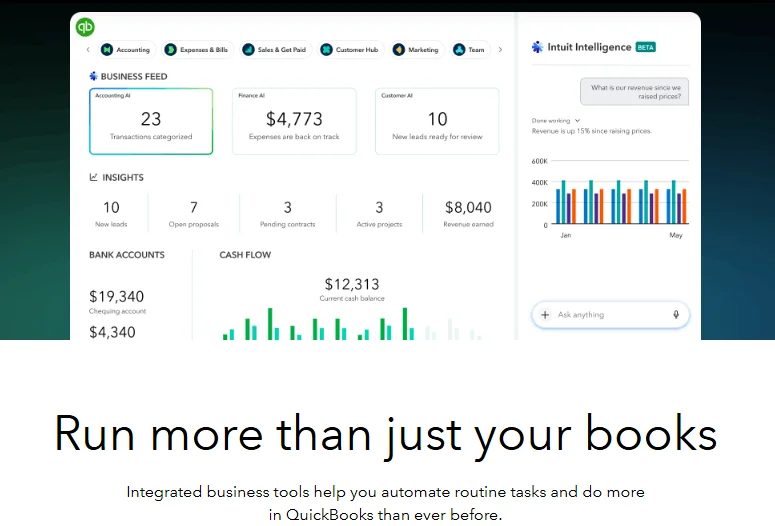
QuickBooks Online is one of the most widely adopted names among common account audit software used in Kenya, particularly for small and medium-sized businesses that want strong audit-trail visibility without an enterprise price tag. It’s known for a clean, intuitive dashboard that gives you a snapshot of your company’s financial health, including expenses, profits, and outstanding invoices, all without requiring a finance background to understand.
As one of the most trusted names in common account audit software used in Kenya, QuickBooks simplifies audit preparation because financial data arrives already categorized and reconciled, which makes life much easier for auditors reviewing your books. Key features include cloud-based access from any device, customizable invoicing, automatic bank syncing for expense tracking, multi-currency support for businesses with international clients, and VAT tracking built around KRA regulations.
Pricing starts at around Ksh 1,500 a month. A Nairobi agribusiness startup, Maua Fresh Farms, adopted QuickBooks Online to manage growing client volume and stayed compliant with KRA requirements while cutting manual bookkeeping errors significantly.
Pros:
- Audit-ready records with automatic reconciliation
- Clean, beginner-friendly dashboard
- Strong third-party integrations (PayPal, Shopify, HubSpot)
- VAT tracking aligned with KRA regulations
Cons:
- Pricing climbs quickly as you add advanced features
- Some smaller Kenyan businesses find the interface more than they need
- Multi-currency features aren’t necessary for purely local operations
QuickBooks Online remains a top choice among the best accounting software in Kenya for startups and SMEs that want a comprehensive, scalable solution without a steep learning curve.
3. Zoho Books
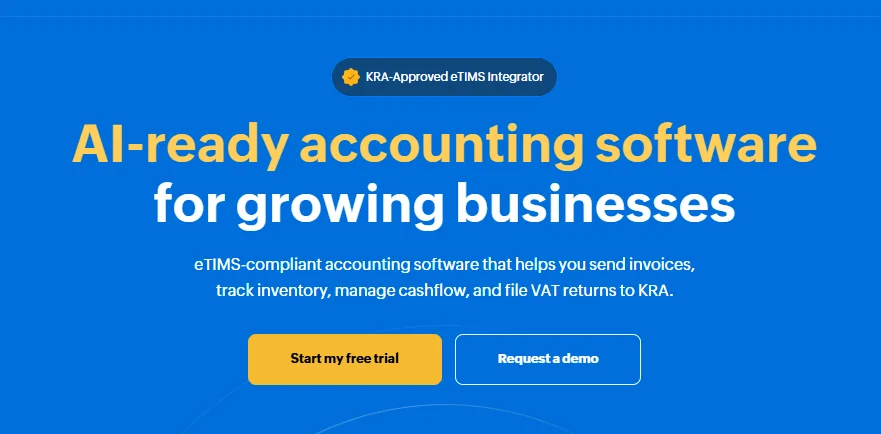
Zoho Books has built a strong reputation as common account audit software used in Kenya among SMEs looking for an affordable, cloud-based solution that still covers all the essential accounting bases. It’s part of the broader Zoho ecosystem, so it integrates seamlessly with Zoho CRM and Zoho Projects for businesses that already run on those tools.
Features include customizable invoices, expense and project tracking, automatic VAT calculation for KRA compliance, multi-currency support, and a client portal where customers can view and manage their own transactions securely. Pricing starts at roughly Ksh 900 a month, making it one of the more budget-friendly options among accounting softwares in Kenya. Service-based businesses in particular, like marketing agencies and consultancies, get real value from Zoho’s project-level profitability tracking.
Pros:
- Very affordable entry pricing
- Excellent for project-based and service businesses
- Strong integration across the Zoho ecosystem
- Client portal improves transparency with customers
Cons:
- Fewer advanced inventory features than Xero
- Smaller support footprint in Kenya compared to Sage or QuickBooks
- Less suited to businesses with heavy manufacturing or complex stock needs
Zoho Books is a smart pick among common account audit software used in Kenya for cost-conscious SMEs and service-based businesses that want solid features without a big monthly bill, and it’s one we recommend testing early during your software search.
4. Xero Accounting Software
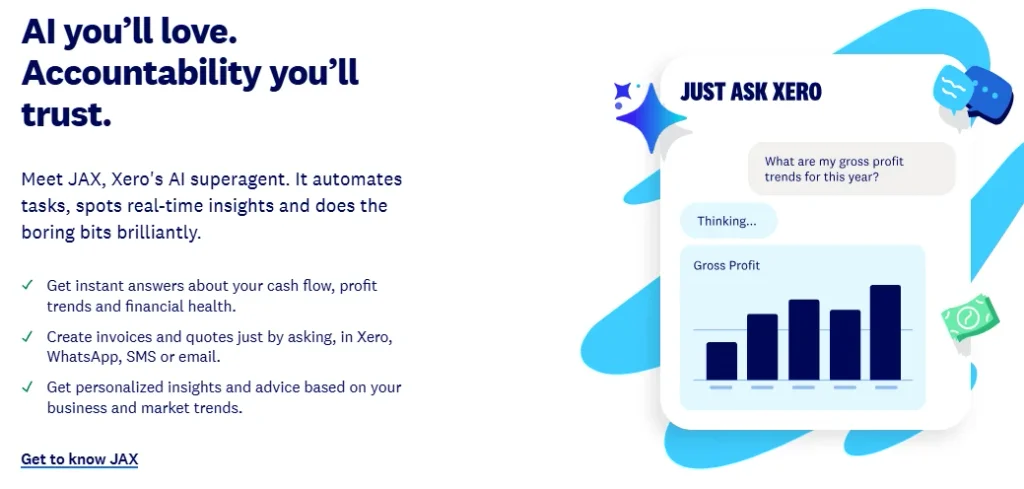
Xero has carved out a strong position among accounting audit software in Kenya thanks to its automation and enormous integration library, making it a regular fixture on every serious shortlist of common account audit software used in Kenya. It’s especially popular with retail and inventory-focused businesses that need to track stock levels alongside their books.
Xero’s standout features include automated bank reconciliation, real-time financial reporting, full inventory management with purchase order tracking, and more than 800 app integrations spanning everything from point-of-sale systems to project management tools. Pricing starts around Ksh 2,000 a month. A mid-sized retail business in Mombasa uses Xero specifically to track inventory, manage supplier orders, and generate real-time stock reports, helping them avoid both stockouts and overstocking while keeping cash flow visible.
Pros:
- Massive integration library (800+ apps)
- Excellent inventory and purchase order management
- Strong automated bank reconciliation
- Scales well as businesses grow
Cons:
- Higher starting price than Zoho Books
- Steeper learning curve for first-time users
- Some smaller Kenyan firms may not need the full feature depth
Xero is one of the strongest options among common account audit software used in Kenya for retail businesses and companies planning to scale their inventory operations, especially once multi-location tracking becomes a real requirement.
5. Tally ERP
Tally ERP holds a distinct place among common account audit software used in Kenya because it’s built for businesses that prefer offline functionality with dependable reporting rather than a fully cloud-native experience. Many small and medium Kenyan enterprises still favor Tally specifically for this reason.
Tally provides inventory management, detailed financial statements, tax management tools, an integrated payroll system, and dedicated audit reporting features that make year-end reviews considerably smoother. It’s a favorite among businesses that want strong local control over their data rather than relying entirely on cloud servers, which appeals to certain compliance-conscious sectors.
Pros:
- Reliable offline functionality
- Strong inventory and tax management tools
- Dedicated audit reporting features
- Long-established reputation across East Africa
Cons:
- Less modern interface compared to cloud-first competitors
- Weaker remote collaboration features than Xero or QuickBooks
- Fewer third-party integrations overall
Tally ERP remains part of the common account audit software used in Kenya lineup for businesses that specifically want dependable, offline-capable reporting, and it’s a name that keeps coming up whenever common account audit software used in Kenya gets discussed among offline-first accountants.
6. SAP Business One
SAP Business One sits at the enterprise end of accounting audit software in Kenya, built for large companies and corporations that need advanced financial management alongside complete audit trails. It’s not aimed at freelancers or micro-businesses, but for large organizations, it’s genuinely hard to beat.
SAP Business One records every financial transaction with detailed logging, supports multi-branch accounting across several locations, and offers advanced reporting alongside strong inventory management and high-grade security. Given the complexity involved, implementation typically requires a dedicated IT team or a certified partner to configure it properly for your specific industry.
Pros:
- Complete audit trails and advanced reporting
- Multi-branch accounting for larger organizations
- High-security architecture suited to sensitive financial data
- Deep inventory management for complex operations
Cons:
- Overkill and expensive for small businesses
- Requires significant setup and IT support
- Steep learning curve for non-technical staff
SAP Business One rounds out our list of common account audit software used in Kenya as the clear choice for large enterprises with complex, multi-location audit requirements, closing out the six core picks we recommend investigating first.
How to Choose Common Account Audit Software Used in Kenya for Your Business
Picking from the common account audit software used in Kenya isn’t just about brand recognition, it’s about matching the tool to your actual transaction volume, compliance exposure, and growth plans. A freelancer sending ten invoices a month has completely different needs than a retail chain managing inventory across three counties, which is exactly why no single pick from the common account audit software used in Kenya list fits everyone equally.
Start by identifying whether your priority is basic bookkeeping, VAT compliance, inventory tracking, or full audit-trail documentation for external reviewers, since that single decision narrows the common account audit software used in Kenya field considerably. Then set a realistic budget, since the common account audit software used in Kenya ranges from completely free tools to enterprise systems costing millions of shillings annually, and there’s rarely a reason to overpay before you actually need enterprise features. Finally, check integration options, since your accounting platform should talk to your CRM, payroll system, and payment gateways without manual re-entry.
Comparing Common Account Audit Software Used in Kenya
| Software | Best For | Starting Price | Audit-Ready Features |
|---|---|---|---|
| QuickBooks Online | SMEs and startups | ~Ksh 1,500/month | Automatic reconciliation, VAT tracking |
| Sage Accounting | Compliance-focused businesses | ~Ksh 1,200/month | Full audit trail, VAT reporting |
| Zoho Books | Service-based, budget-conscious firms | ~Ksh 900/month | Tax calculations, cloud access |
| Xero | Retail and inventory-heavy businesses | ~Ksh 2,000/month | Real-time reporting, bank feeds |
| Tally ERP | Offline-preference businesses | Varies by license | Dedicated audit reports |
| SAP Business One | Large enterprises | Custom/enterprise pricing | Complete audit trails, high security |
This table should make it much easier to compare accounting softwares in Kenya, and the common account audit software used in Kenya more broadly, at a glance, so you’re not digging through ten pricing pages just to shortlist common account audit software used in Kenya before a free trial.
List of Audit Software Used by Professionals in Kenya
Beyond general bookkeeping platforms, there’s a separate list of audit software that sits alongside the common account audit software used in Kenya for structured, compliance-heavy review work. This list of audit software includes both general accounting platforms doubling as audit tools, and dedicated audit management systems built purely for governance, risk, and compliance work.
Lark, for instance, functions as an audit workflow automation platform, letting teams run mobile-first checklists, route issues automatically, and generate AI-powered summaries of recurring problems. AuditBoard serves larger enterprises with centralized audit planning and strong integrations into ERP and GRC systems, while TeamMate+ focuses specifically on internal audit teams needing centralized evidence repositories and risk scoring tools. Any thorough list of audit software used across East Africa would also include Netwrix Auditor for IT-specific compliance auditing, which tracks system access and configuration changes in real time.
ICPAK Audit Software Standards and What They Mean for You
The Institute of Certified Public Accountants of Kenya, commonly known as ICPAK, sets professional standards that shape which tools qualify as acceptable ICPAK audit software within the broader category of common account audit software used in Kenya. While ICPAK doesn’t endorse a single platform outright, firms generally look for ICPAK audit software that maintains clear audit trails, supports KRA-aligned VAT reporting, and provides the kind of documentation regulators expect during a review.
Sage Accounting and QuickBooks both meet the practical bar most firms use when evaluating ICPAK audit software requirements, since both maintain detailed transaction logs and generate the standard financial statements auditors need. If you’re a practicing CPA in Kenya, checking whether your chosen platform satisfies these informal ICPAK audit software expectations before committing to it will save you headaches during your next professional review.
Audit Software Used by Big 4 Firms in Kenya
It’s worth knowing what audit software used by Big 4 firms in Kenya actually looks like, since these standards often trickle down into the common account audit software used in Kenya by smaller practices too. Firms like PwC, EY, Deloitte, and KPMG in Kenya typically rely on enterprise-grade platforms like SAP Business One, alongside dedicated audit management systems such as AuditBoard, TeamMate+, and Caseware audit software for structured engagement documentation.
Caseware audit software specifically stands out among audit software used by Big 4 firms because it’s built around structured working papers, automated risk assessments, and standardized templates that align with international auditing standards. Smaller Kenyan firms sometimes adopt scaled-down versions of the same audit software used by Big 4 practices to bring a similar level of rigor to their own client engagements without the enterprise price tag.
Digital Bookkeeping Software for Kenya: The Rise of Automation
A newer category worth mentioning alongside traditional common account audit software used in Kenya is digital bookkeeping software for Kenya, built specifically around automation rather than manual entry. Property management platforms, for example, now offer digital bookkeeping software for Kenya that automatically categorizes rent receipts, reconciles M-Pesa deposits against bank records, and generates tax-ready profit and loss statements in under a minute.
This kind of digital bookkeeping software for Kenya solves a specific problem: landlords and property managers who used to keep two separate sets of books, one real and one for the accountant, now work from a single, auditable ledger that both parties and KRA can review. Integration with QuickBooks, Tally, and Zoho Books means this newer digital bookkeeping software for Kenya doesn’t replace your existing accountant relationship, it just cleans up the data they receive.
Accounting Software Packages: Choosing the Right Tier
Most vendors offering common account audit software used in Kenya sell several accounting software packages rather than a single one-size-fits-all product, and understanding the tier structure helps you avoid overpaying. Sage alone offers distinct accounting software packages ranging from Business Cloud Accounting for simple bookkeeping, up through Sage 200 Evolution for configurable industry modules, and Sage 300cloud for multi-currency, multi-location operations.
When comparing accounting software packages across vendors, pay close attention to what’s actually included at each tier rather than the marketing headline. A package that looks affordable at first glance might require several paid add-ons before it actually meets your compliance and reporting needs.
Top 10 Accounting Software and Best 4 Business and Accounting Software Options in Kenya
Rounding out any serious top 10 accounting software list for the Kenyan market, and any honest top 10 accounting software ranking effectively covers the full spread of common account audit software used in Kenya today, you’d include QuickBooks Online, Sage Accounting, Zoho Books, Xero, Tally ERP, SAP Business One, Wave Accounting for free micro-business use, FreshBooks for simple invoicing, Oracle NetSuite for full ERP needs, and Infor SunSystems for large multinational operations.
Separately, when people search specifically for the best 4 business and accounting software in Kenya at the enterprise end, or even just the best 4 business and accounting software in Kenya for multinational operations, four names dominate: Infor SunSystems, Oracle NetSuite, Sage (specifically Sage Intacct), and SAP ERP. Infor SunSystems alone is deployed by more than 200,000 organizations across 180 countries and supports multiple currencies, languages, and chart-of-accounts structures within a single deployment, which explains why it ranks among the best 4 business and accounting software in Kenya for multinational operations specifically.
Our Recommendation: Why Sage Is the Best of Common Account Audit Software used in Kenya
After comparing every platform in this review of common account audit software used in Kenya, Sage Accounting earns our top recommendation as the best accounting software in Kenya for most small and medium businesses. The reason comes down to one thing above all else: compliance. Sage was built with VAT reporting and KRA alignment as a core feature rather than an afterthought, and that single focus solves the exact problem that gets so many Kenyan businesses fined every year.
Beyond compliance, Sage kenya offers a genuine growth path. You can start on the affordable Business Cloud Accounting plan for around Ksh 1,200 a month, and move up to Sage 200 Evolution or Sage 300cloud as your business adds inventory complexity, multiple locations, or multi-currency transactions, all without switching vendors entirely.
Sage kenya’s backing of more than 35 years of experience and award-winning support gives Kenyan business owners a rare combination: affordability at the entry level, and genuine scalability at the top. If you only take one recommendation from this guide, make it Sage.
Common Account Audit Software Used in Kenya FAQs
What are the most common accounting software used in Kenya?
QuickBooks Online, Sage Accounting, Zoho Books, and Xero are the most common accounting software used in Kenya among small and medium businesses, while Tally ERP and SAP Business One serve businesses that prefer offline tools or need enterprise-scale audit trails.
Which software do auditors use in Kenya?
Auditors in Kenya commonly use Sage Accounting and QuickBooks for reviewing SME books, while larger firms rely on dedicated audit management platforms like Caseware, AuditBoard, and TeamMate+ for structured, standardized audit documentation.
What are the top 5 audit tools in Kenya?
The top 5 audit tools generally include Sage Accounting for VAT-compliant financial audits, QuickBooks Online for SME audit readiness, Caseware audit software for structured engagement work, AuditBoard for enterprise risk and compliance, and Tally ERP for offline-focused audit reporting.
What are the 5 accounting software?
Among the most widely referenced options are QuickBooks Online, Sage Accounting, Zoho Books, Xero, and Tally ERP, each serving a slightly different business size and complexity level across the Kenyan market.
What software do most accountants use in Kenya?
Most accountants in Kenya use Sage Accounting and QuickBooks Online as their primary platforms, largely because both offer strong VAT compliance features and generate the audit trail documentation KRA and ICPAK expect.
How much is an ERP system in Kenya?
ERP pricing in Kenya varies enormously depending on scale. Sage 200 Evolution and Sage 300cloud typically run into the tens of thousands of shillings monthly for mid-sized operations, while enterprise systems like SAP ERP or Oracle NetSuite involve custom, quote-based pricing that can reach into the millions annually for large deployments.
What is the best software for internal audits in Kenya?
For internal audits specifically, TeamMate+ and AuditBoard are strong choices for larger organizations, while smaller Kenyan firms often rely on Sage Accounting’s built-in audit trail tracking to handle internal review needs without a separate dedicated platform.
Which software does PwC use for audit in Kenya?
Big 4 firms like PwC typically rely on a combination of enterprise platforms and proprietary internal tools alongside third-party solutions like Caseware audit software and AuditBoard, tailored to the specific engagement and client industry.
What are some good apps for financial auditing in Kenya?
QuickBooks Online, Sage Accounting, and Zoho Books all work well for financial auditing at the SME level, while Caseware audit software and AuditBoard serve larger, more complex financial audit engagements requiring structured documentation.
Is Zoho Books good for auditing purposes in Kenya?
Yes, Zoho Books generates the cloud-accessible financial reports and tax calculations most auditors need for SME-level reviews, though it lacks some of the deeper audit trail features found in Sage or dedicated enterprise audit platforms.
Final Thoughts
Choosing the right pick from the common account audit software used in Kenya really comes down to your business size, budget, and how seriously you take VAT compliance. QuickBooks and Zoho Books suit smaller, budget-conscious operations, Xero wins for inventory-heavy retail, and SAP Business One or Tally ERP fit specific enterprise or offline needs. But for most Kenyan businesses balancing affordability with genuine compliance, Sage remains our top pick, and it’s worth trialing before you commit to anything else on this list.